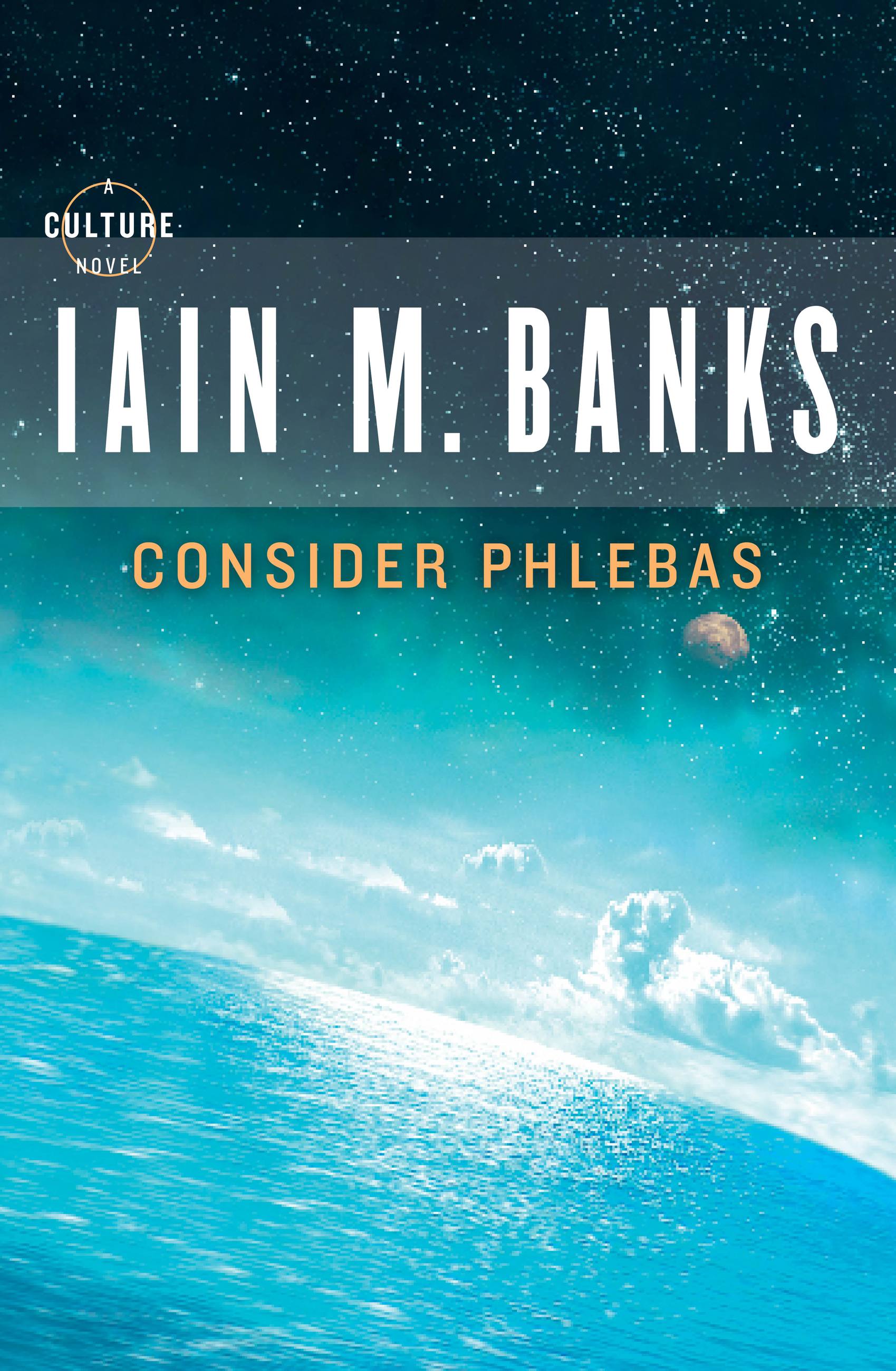
Consider Phlebas, first published in 1987, is a space opera novel by Scottish writer Iain …
None
3 stars
Dropped one star from the review during this re-read. The book was still good, but I couldn't help comparing Consider Phlebas to his later books and miss the more nuanced and intelligent touch those have. Even the ethics and psychology of the main event in this book, the war between Idirans and Culture, is discussed more thoughtfully in Banks' later books.
If you haven't yet read Banks' science fiction, I'd recommend that you do not start with this book, even though it is the first one he wrote.
Dropped one star from the review during this re-read. The book was still good, but I couldn't help comparing Consider Phlebas to his later books and miss the more nuanced and intelligent touch those have. Even the ethics and psychology of the main event in this book, the war between Idirans and Culture, is discussed more thoughtfully in Banks' later books.
If you haven't yet read Banks' science fiction, I'd recommend that you do not start with this book, even though it is the first one he wrote.
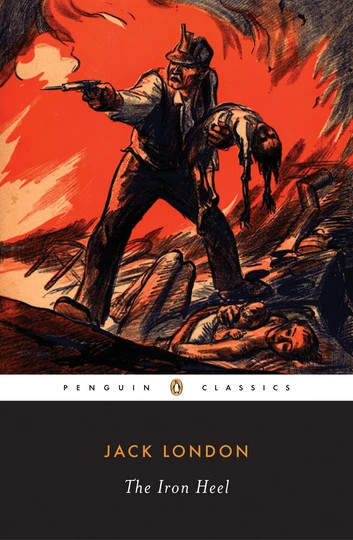
Aiemmin lukemieni Jack Londonin eräkirjojen jälkeen tämä puoli kirjailijasta oli yllätys. Rautakorko muistutti, miten paljon on tapahtunut viimeisen vuosisadan aikana. Se myös vahvisti kiintymystäni pohjoismaiseen hyvinvointivaltioon.
Opettajan ja siten uusien sukupolvien sosialisaatioon osallistuvana suurimman vaikutuksen kirjassa teki ajatus siitä, miten vallassa oleva yhteiskuntaluokka pyrkii aina oikeuttamaan olemassaolonsa ja etuoikeutensa eettisesti ja metafyysisesti.
Mielenkiintoinen modernin fysiikan maailmaan sijoitettu tarina omituisesta miehestä. Poltteen tarina vaikutti uskottavalta, vaikka sisälsikin paljon uskomattomia yksityiskohtia ja sitä lukiessa tunsi pääsevänsä sisään päähenkilönä toimivan Michael Bairdin sielunmaisemaan. Tämä maisema ei kuitenkaan ollut mitään kaunista katseltavaa, ja kirjan loppupuolella aloin jo väsyä hänen itseriittoiseen sielunmaisemaansa.
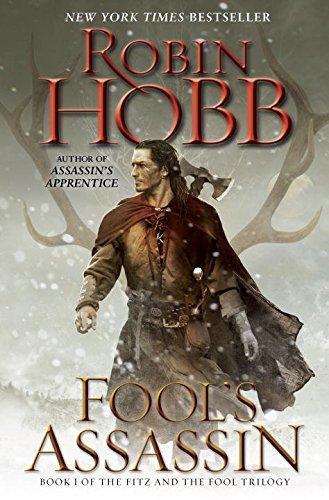
"Nearly twenty years ago, Robin Hobb burst upon the fantasy scene with the first of …
None
4 stars
This was a difficult book to rate and review. Hobb's Farseer trilogy was an important work for me 15 years ago, as was the Tawny man trilogy few years later. When I noticed that Fool's Assassin was out, I wanted to re-read the old books before I starting this new trilogy, supposedly ending the story of Fitz and Fool. It was an interesting experience, to read the old books that were once so important for me. Oh, the waves of nostalgy! And still, even without the nostalgy, I found that some of the magick of the books was still there.
While re-reading the Tawny man trilogy, I started to wonder what exactly were the reasons for Fitz to behave the way he did. He often made stupid and irresponsible decisions, acting like a 10-years-old and endangerin all of his companions. It was difficult for me as a reader to decide …
This was a difficult book to rate and review. Hobb's Farseer trilogy was an important work for me 15 years ago, as was the Tawny man trilogy few years later. When I noticed that Fool's Assassin was out, I wanted to re-read the old books before I starting this new trilogy, supposedly ending the story of Fitz and Fool. It was an interesting experience, to read the old books that were once so important for me. Oh, the waves of nostalgy! And still, even without the nostalgy, I found that some of the magick of the books was still there.
While re-reading the Tawny man trilogy, I started to wonder what exactly were the reasons for Fitz to behave the way he did. He often made stupid and irresponsible decisions, acting like a 10-years-old and endangerin all of his companions. It was difficult for me as a reader to decide wheter these actions and his nature were consequences of all the horrors he had faced during his life as an assassin (starting at the age of 10, if I remember correctly). Or perhaps it was the Prophecy gardened by Fool, which dictated that Fitz just had to make some very bad decisions to be were he had to when he had to? After some time, I just decided to go with it, to accept the protagonist as he was written and trusta that Hobb knew what she did.
It was really difficult to maintain this trust during Fool's Assassin.
It was well written, even though I agree with the reviews complaining how slow-paced most of the book was an how the action was left to the very end of the book. I enjoyed reading about the life of Fitz and his family, even the small details. This was what my nostalgic self wanted: to hear more about the ordinary life of the character I loved. But I had serious troubles to maintain my faith in Fitz as a realistic character. He was still childish. He withdraw information that would have been important for others (and helped him and those close to him). He did utterly stupid things that did not seem believeable (e.g. his actions at the market square, which started the dramatic final sequence of the book, were in my opinion wery unlike his character).
But I'll try to believe that Hobb knows his characters and has some kind of explanations for Fitz's nature and character. I'd hate to believe that he is only used to create drama with other characters, to put him in difficult positions, and to set things in motion.
Ok. Now that I got that out of my system, I would like to say that the book was all in all a very enjoyable read. Even though most of the new characters were not too interesting, I like the new major character introduced, and also the new perspective offered with the said character.
Can't really wait for August and the next part of the series.